

About the Project
“Love became a liability.” “It costs too much to be open.”
Since children look for love, that’s not a confession you want to hear from your father. The line is spoken by a former black-power activist named Kenyatta. His point is that fighters for social justice developed defenses. Necessary blocks, you might say, to protect the movement from its external enemies.
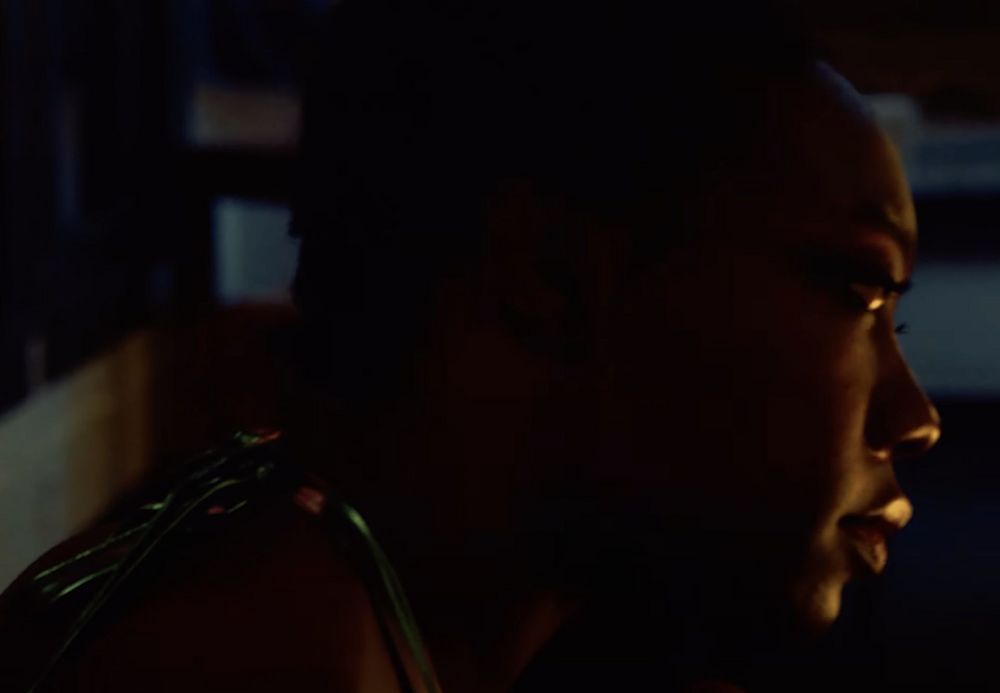
But if you were on the receiving end of someone who thought parental affection a weakness, you might well end up scarred and hardened — which is precisely what happened to Nina, the daughter of a political activist who has ended up a drug dealer and a scam artist in the guise of a prostitute. She wears hooker’s wigs and weirdly verdant lipstick. Nina (who was named for singer Nina Simone) " is set in her apartment in the lower depths of Manhattan, and we keep seeing her acquiring and discarding this disguise for her broken heart.
“Sunset Baby,” which premiered off-Broadway in 2013, is partly a play about a lousy parent looking for redemption. The action revolves around Kenyatta’s desire to acquire from his daughter a packet of love letters written to him by his late wife (and Nina’s mother) when he was in prison. Nina has the letters, hidden from her father and her lover, Damon (Kelvin Roston Jr.). Damon, the third locus in this triangular conflict, is Nina’s partner in all kinds of crimes, although you get the sense that he, too, is dealing with the sins of his own parents, trying to stay strong while tending to his aching soul.
He does not find much solace from his girlfriend. Nina is written as a woman blocked and self-protecting. In some of its more fascinating moments, “Sunset Baby” is a play about two men of different generations trying to force cracks in the shell of a woman they love, to the extent that they have allowed themselves to love her. They both approach this differently. Kenyatta has reached the age when the battles of the past are won (or lost) and one finds oneself tending to legacy and relationships. For Damon, who is far softer than he first appears, life is still lived according to the possibilities of the moment. Of panic.
There’s optimism in the piece in the sense that Nina could arguably redeem both these men, if only she knew how to let them in, although I think Morisseau also is arguing that to do so may well destroy her. But it’s still a bleak play — a look at the price paid by the children of revolutionaries and the price of being a minority in America today.
Production Team