
About the Project
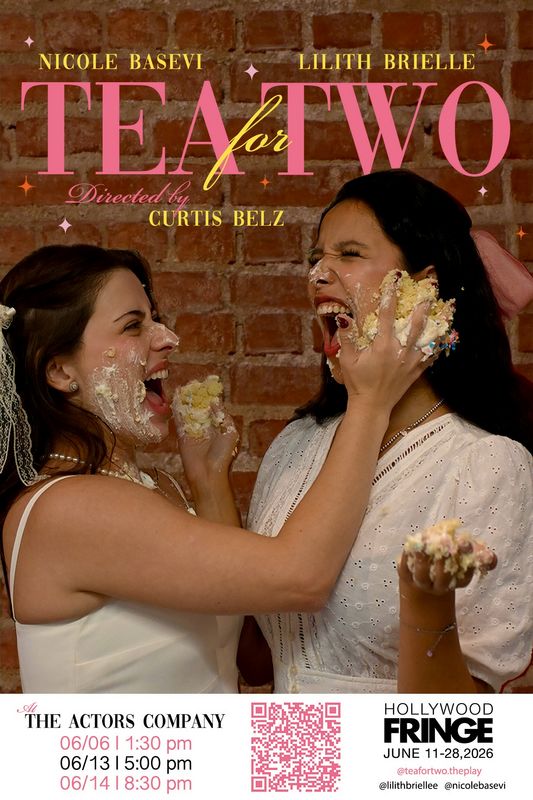
Tea for Two, inspired by Overtones (1915) by Alice Gerstenberg, follows two women in a seemingly polite afternoon conversation that quickly reveals something far more complex beneath the surface. As they exchange courtesies, small talk, and carefully chosen words, their inner selves begin to emerge voicing everything that remains unsaid.
What unfolds is a layered psychological game where rivalry, desire, insecurity, and suppressed truth sit just beneath the polite exterior. The women are constantly performing, not only for each other but for themselves, as their hidden thoughts challenge, contradict, and undermine the conversation happening in real time.
Blending wit, tension, and a touch of dark humor, the piece explores how identity splits between what is socially acceptable and what is privately felt. As the divide between outer behavior and inner truth grows wider, the conversation becomes a battleground of charm, control, and emotional honesty.
Both playful and unsettling, Tea for Two exposes the invisible performance behind everyday interactions, asking how much of ourselves we reveal and how much we are forced to hide in order to be “polite.”
Production Team